
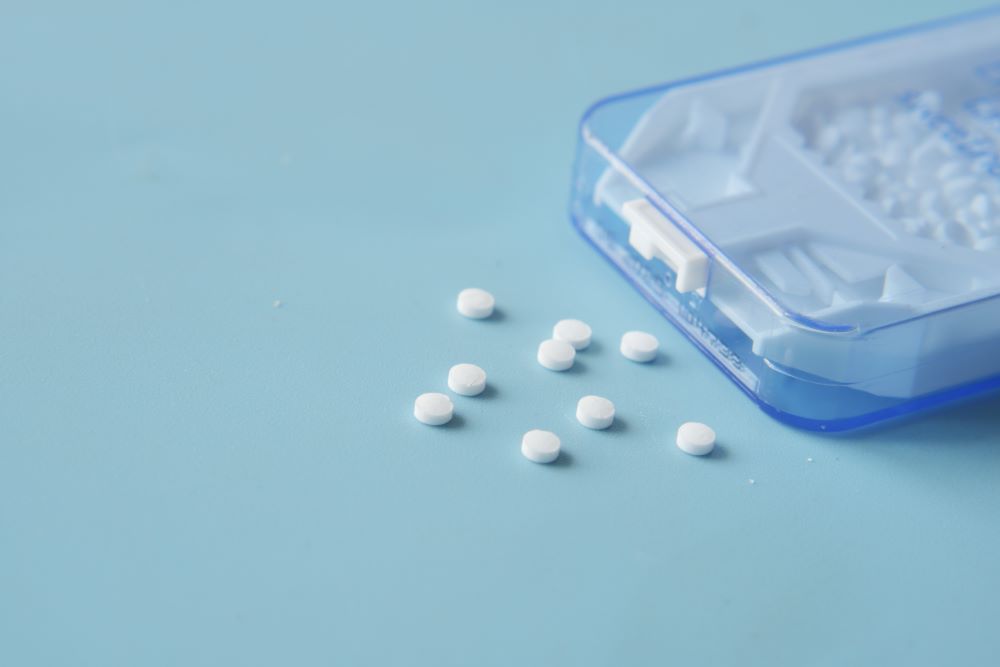
In today’s health-conscious world, many people are turning to artificial sweeteners as a seemingly guilt-free alternative to sugar.
These sugar substitutes promise the sweetness we crave without the caloric consequences. However, the health risks associated with artificial sweeteners have raised concerns among both consumers and health professionals. In this blog post, we will delve into the potential health risks of artificial sweeteners, shedding light on the debate surrounding their safety.
Understanding Artificial Sweeteners
Artificial sweeteners, also known as sugar substitutes or non-nutritive sweeteners, are synthetic compounds that mimic the taste of sugar but contribute little to no calories when consumed. Common examples include aspartame, saccharin, sucralose, and steviol glycosides (found in stevia). These sweeteners are used in a wide range of food and beverage products marketed as “diet” or “sugar-free.”
Weight Management and Obesity Concerns
One of the primary reasons people turn to artificial sweeteners is the hope of managing their weight or reducing calorie intake. These sweeteners provide sweetness without adding calories, which can be appealing to those looking to shed pounds. However, the relationship between artificial sweeteners and weight management is a complex and contentious issue.
Recent studies have shown that artificial sweetners are associated with increased incidence of obesity, metabolic syndrome and type 2 diabetes.
Some studies have suggested that the use of artificial sweeteners may lead to overcompensation in calorie intake. In other words, individuals who consume these sweeteners may compensate by eating more calories from other sources. This phenomenon could potentially undermine weight loss efforts and even contribute to weight gain over time. Additionally, some researchers argue that artificial sweeteners may alter taste preferences, making naturally sweet foods less satisfying and leading individuals to seek out sweeter, calorie-dense foods.
Metabolic Effects
Beyond concerns about weight management, there are also questions surrounding the metabolic effects of artificial sweeteners. Some studies have associated their consumption with negative impacts on glucose metabolism and insulin sensitivity. These effects could potentially increase the risk of metabolic disorders like type 2 diabetes. However, it’s important to note that the evidence in this area is still evolving, and more research is needed to establish a clear link between artificial sweeteners and metabolic health.
Appetite and Cravings
Artificial sweeteners may influence our appetite and cravings in ways that are not fully understood. Some individuals report experiencing increased cravings for sweet foods after consuming artificial sweeteners. The intense sweetness of these sugar substitutes may train our taste buds to expect a higher level of sweetness, making it challenging to find satisfaction in less sweet, whole foods like fruits and vegetables.
Gut Microbiota
Emerging research has also raised concerns about the potential impact of artificial sweeteners on the gut microbiota. The trillions of microorganisms in our digestive tract play a crucial role in our overall health. Some studies suggest that certain artificial sweeteners may alter the composition of gut bacteria, which can have implications for digestion, metabolism, and even immune function. However, this area of research is still in its infancy, and more studies are needed to confirm these findings and understand their significance.
Neurological and Behavioral Effects
Aspartame, a commonly used artificial sweetener, has been a subject of scrutiny due to concerns about its potential neurological and behavioral effects. Some individuals claim to experience adverse reactions to aspartame consumption, including headaches, mood swings, and cognitive disturbances. However, the scientific evidence supporting these claims is limited, and many studies have failed to establish a consistent link between aspartame and these symptoms. For individuals who do experience such reactions, it is essential to consult a healthcare professional.
The health risks associated with artificial sweeteners remain a topic of debate and ongoing research. While these sugar substitutes offer a way to enjoy sweet flavors without the added calories of sugar, concerns about their impact on weight management, metabolism, appetite, gut health, and even neurological effects persist.
It’s important to approach artificial sweeteners with a critical eye and make informed choices based on your individual health and preferences. Moderation is key, and it’s wise to consult with a healthcare professional or registered dietitian if you have specific concerns or dietary restrictions.
In the end, there is no one-size-fits-all answer when it comes to artificial sweeteners. Balancing the desire for sweetness with overall health goals is a personal decision, and staying informed about the latest research can help you make choices that align with your well-being. As science continues to uncover the nuances of artificial sweeteners’ impact on health, consumers should remain open to new findings and be prepared to adapt their choices accordingly.