Preparing for surgery involves keeping your body in the best possible condition to heal, and managing blood sugar levels is a central part of this process.
When you undergo an operation, your body naturally releases stress hormones such as cortisol and adrenaline. These hormones cause glucose levels to spike, even if you have fasted beforehand.
Clinical research shows that stable blood glucose levels directly influence recovery after major orthopaedic surgery. Higher-than-normal blood sugar impairs the immune system’s white blood cells, reducing your body’s ability to fight off bacteria and significantly increasing the risk of surgical site infections. Elevated glucose also slows down collagen production, which can delay incision healing and interfere with how well bone integrates with joint implants.
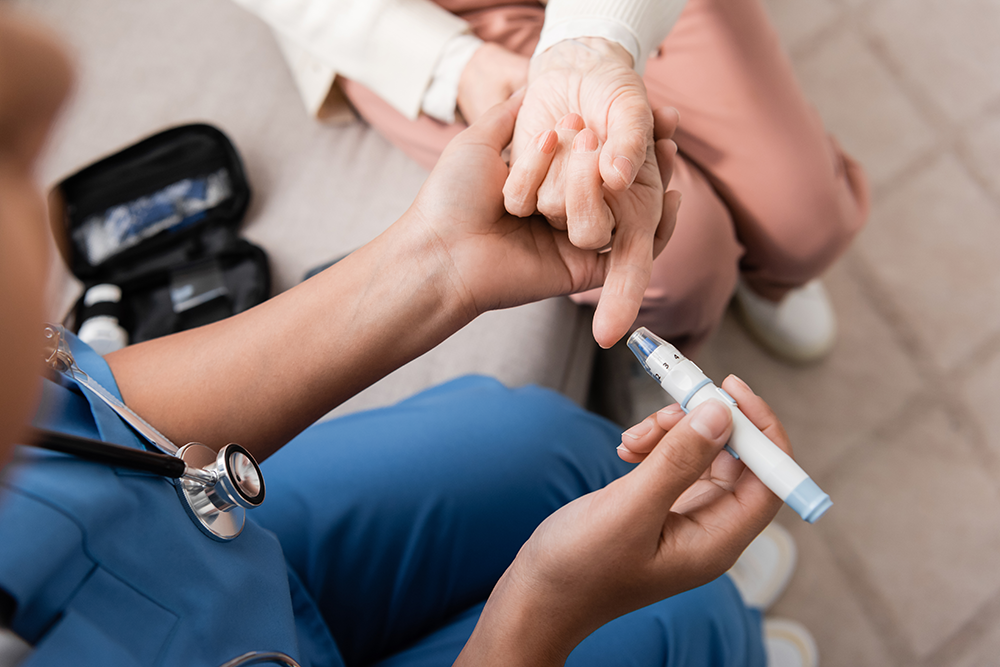
To ensure your safety, your pre-operative team checks your long-term glucose control using tests such as HbA1c or fructosamine, alongside routine fasting glucose measurements. If your levels are elevated, Dr Sergio Diez Alvarez may adjust your oral diabetes tablets or insulin regimens in the weeks leading up to surgery. Some modern medications (such as SGLT2 inhibitors) must be paused several days prior to prevent rare metabolic complications, while insulin doses are carefully tailored for the day of surgery.
During and immediately after your procedure, nursing staff will check your blood sugar frequently. Maintaining stable glucose targets reduces nausea, supports steady energy levels, and lowers the risk of post-operative urinary or wound infections. By following your team’s pre-surgery medication plan, eating balanced meals before your fasting window begins, and reporting any unexpected readings, you play an active role in ensuring a smooth, complication-free healing journey.
References