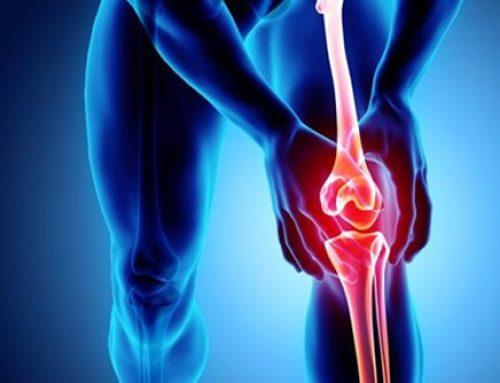
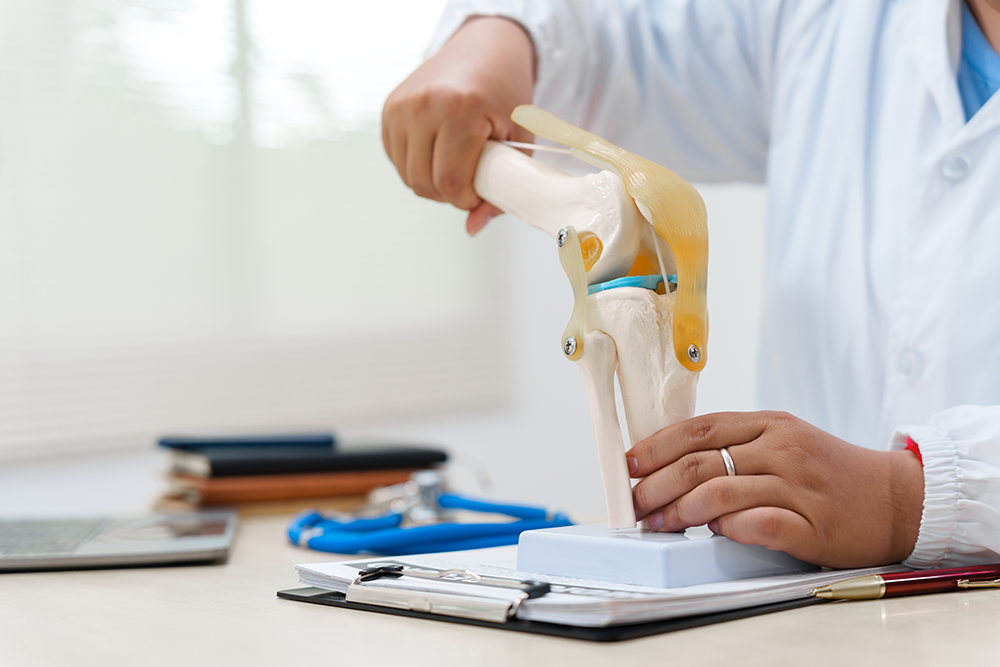
Preparing for major orthopaedic surgery — such as a hip or knee replacement — involves more than scheduling your operative date.
Before surgery, your surgical and anaesthetic team conducts a comprehensive pre-admission evaluation; often, a pre-operative medical assessment is undertaken by an Internal Medicine Specialist such as Dr Sergio Diez Alvarez.
This guide explains the key clinical assessment tools used to assess your baseline health and design a personalised safety plan for your procedure.
1. Functional Capacity: The Duke Activity Status Index (DASI)
- What it measures: The DASI evaluates your day-to-day physical capabilities through twelve practical questions about daily tasks, from walking around the house to climbing stairs or performing yard work.
- Why it matters: Research published in The Lancet demonstrates that patient-reported functional questionnaires reliably predict cardiopulmonary fitness before major surgery. If your score indicates high stamina, your heart and lungs are well-prepared to tolerate surgical stress and early physiotherapy. A lower score alerts the medical team to optimise your breathing and circulation beforehand, ensuring your rehabilitation starts smoothly.
2. Heart Safety: The Revised Cardiac Risk Index (RCRI)
- What it measures: The RCRI evaluates six specific health indicators, including any history of heart disease, stroke, insulin-treated diabetes, or kidney conditions, as well as the complexity of your planned procedure.
- Why it matters: Established in Circulation, this risk index categorises heart risk to guide perioperative decisions. Major joint replacements place temporary physiological demands on blood pressure and heart function. Identifying pre-existing cardiovascular conditions allows your anaesthetist to tailor fluid management, select specific anaesthetic medications, and adjust heart medications on the morning of surgery to prevent complications.
3. Preventing Blood Clots: The Caprini Risk Assessment Model
- What it measures: Orthopaedic procedures temporarily affect lower-limb mobility and circulation, increasing the baseline risk of deep vein thrombosis (DVT) or pulmonary embolism (PE). The Caprini score tallies cumulative risk factors, such as age, body mass index, personal or family history of clots, and planned surgical duration.
- Why it matters: Clinical evidence in the Journal of the American College of Surgeons underscores that tailored preventive therapy significantly reduces clotting events. Your Caprini score determines whether you require simple calf-compression garments and early ambulation, or an extended course of blood-thinning medication (such as low-molecular-weight heparin) after hospital discharge.
4. Smoking History: Pack-Year Calculation
- What it measures: Smoking exposure is calculated using “pack years” (the average number of packs smoked daily multiplied by the years of smoking).
- Why it matters: In orthopaedic research featured in the Journal of Bone & Joint Surgery, higher lifetime smoking exposure is linked to delayed bone healing, microvascular issues, and implant complications. Calculating pack-years allows your care team to anticipate oxygen requirements and offer supportive measures, such as nicotine replacement therapy, to promote bone integration and tissue repair.
5. Anaesthetic & Dental Safety Screening
- What it measures: This section identifies loose teeth, dental crowns or dentures, and family histories of rare anaesthetic reactions (such as Malignant Hyperthermia).
- Why it matters: According to the British Journal of Anaesthesia, safeguarding fragile dental work helps prevent airway trauma and secure your breathing tube during general anaesthesia. Identifying inherited metabolic conditions ensures your anaesthetic team selects safe, trigger-free medications throughout theatre.
Completing these pre-operative assessments provides your care team with a clear view of your individual health profile. By identifying potential risks early, your surgical, medical, nursing, and anaesthetic teams work together to minimise complications, manage pain effectively, and support a prompt recovery.
References